The Importance of High-Quality Personal Protective Equipment What Every Worker Should Know

In high-risk industries from construction to manufacturing to warehousing nothing matters more than proper safety gear. Injuries on job sites occur every day, and many are preventable with the right personal protective equipment. As workplaces evolve and new hazards emerge, PPE remains the cornerstone of worker safety, ensuring that individuals are protected from physical, chemical, visual, environmental, and impact-related dangers. Whether you’re a seasoned professional or new to the field, understanding PPE is essential for surviving and thriving in hazardous environments.
What Personal Protective Equipment Really Means
PPE encompasses a wide range of gear designed to protect workers from injury or illness. This includes items worn on the head, body, hands, feet, or face.
It is not optional it is a worker’s first line of defense.
The main functions of PPE are to protect against:
- Impact injuries
- Falling or shifting objects
- Chemical exposure
- High temperatures or flames
- Sharp tools or materials
- Low light or blind spots
- Toxic dust and fumes
Every piece of PPE is engineered with a specific purpose, and using it correctly can save a worker’s life.
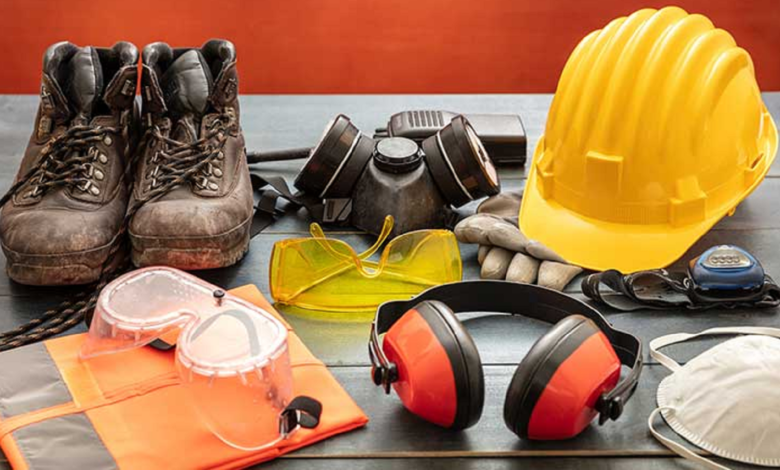
The Essential PPE Every Worker Should Have
1. Hard Hats
Critical for preventing head injuries from falling objects, impacts, or electrical hazards.
2. High-Visibility Safety Gear
Hi-vis vests, jackets, and shirts make workers visible to heavy equipment operators and vehicle traffic, reducing struck-by accidents.
3. Eye and Face Protection
Safety glasses, goggles, and face shields protect against dust, sparks, debris, and chemical splashes.
4. Hand Protection
Different gloves protect from cuts, burns, chemicals, vibration, and electrical risks.
5. Footwear
Steel-toe boots prevent crushing injuries, punctures, and slips, making them indispensable on job sites.
6. Respiratory Protection
Masks and respirators protect against dust, fumes, chemicals, and airborne contaminants.
7. Fall Protection
Harnesses, lifelines, and anchors safeguard workers operating at heights, one of the most dangerous tasks in construction.
Why Choosing High-Quality PPE Matters
Not all PPE is created equal. Cheap or poorly made equipment provides limited protection and may fail under pressure.
High-quality PPE ensures:
- Better durability
- Reliable performance
- Longer wear life
- Comfortable fit for long shifts
- Compliance with OSHA and ANSI standards
Quality PPE isn’t an expense it’s an investment in worker survival.
The Role of PPE in Reducing Job-Site Injuries
Statistics consistently show that PPE dramatically reduces workplace accidents.
Proper use of safety gear helps:
- Prevent life-threatening falls
- Reduce struck-by and caught-between incidents
- Lower exposure to harmful substances
- Prevent eye damage and respiratory illness
- Reduce the severity of minor injuries
When used consistently, PPE transforms dangerous job sites into controlled environments.
Training: The Missing Link in PPE Effectiveness
PPE only protects workers when worn correctly. Training ensures workers understand:
- When PPE is required
- How to properly wear and adjust gear
- How to inspect equipment for damage
- How to store PPE correctly
- How to replace worn or unsafe equipment
A safety program with poor training is as dangerous as not having PPE at all.
Why Workers Should Advocate for Themselves
A strong safety culture empowers workers to speak up.
Workers should feel confident to:
- Request replacement PPE
- Report damaged or ineffective gear
- Refuse unsafe tasks
- Remind coworkers about safety protocols
- Suggest improvements in workplace protection
Safety is a shared responsibility and everyone’s voice matters.
PPE Beyond Construction Everyday Applications
Although PPE is essential for industrial environments, its use is expanding into everyday life.
People now use PPE for:
- DIY home renovations
- Yard work with machinery
- Chemical cleaning tasks
- Emergency preparedness
- Volunteering in disaster areas
Personal safety isn’t just a workplace requirement it’s a life skill.
Final Thoughts
The right personal protective equipment protects workers from hazards that could otherwise cause serious injury or death. From hard hats to respirators to hi-vis clothing, each piece of PPE plays a vital role in ensuring safety and preventing accidents. When workplaces invest in high-quality PPE and workers commit to proper use, everyone benefits. Safety isn’t accidental it’s intentional.